
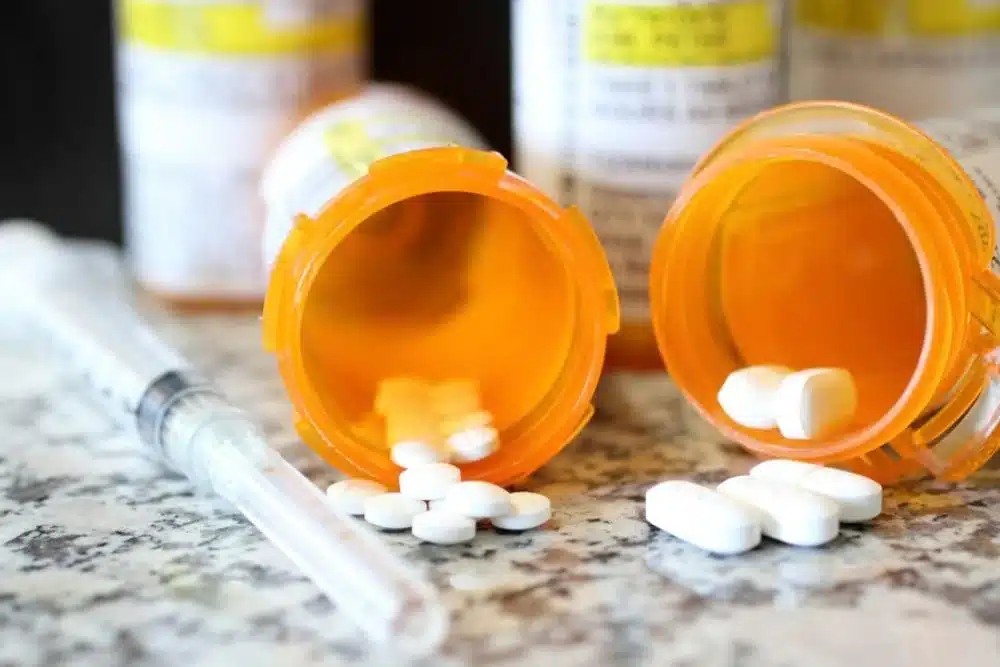

OxyContin and fentanyl are not the same drug, though both belong to the opioid class and carry serious risks of dependence, overdose, and death. OxyContin is a brand name for extended-release oxycodone, a semi-synthetic opioid derived from the opium poppy plant. Fentanyl is a fully synthetic opioid, manufactured in a laboratory, and is estimated to be 50 to 100 times more potent than morphine.
Understanding the comparison of fentanyl vs oxycodone matters because confusing them can be fatal, particularly as illicitly manufactured fentanyl is now found in counterfeit pills designed to look like prescription oxycodone.
Both drugs bind to the same opioid receptors in the brain and body, but they differ significantly in potency, speed of onset, duration of action, and overdose risk. Oxycodone is prescribed for moderate-to-severe pain and is tightly regulated, though misuse remains widespread. Fentanyl’s extreme potency means a dose as small as two milligrams can cause a fatal overdose.
If you or someone you care about is using either substance outside of a physician’s supervision, understanding these differences is a critical step toward recognizing danger and making informed decisions about getting support through evidence-based drug rehabilitation services.
What Are Opioids?
Opioids are a broad class of drugs that reduce pain by binding to specific receptors in the brain, spinal cord, and gastrointestinal tract called mu-opioid receptors. When these receptors are activated, they block pain signals and trigger the release of dopamine, producing feelings of relief and, at higher doses, euphoria. This combination of pain relief and mood elevation is exactly what makes opioids both medically valuable and highly prone to misuse.
Opioids fall into three categories based on their origin: natural opiates derived directly from the poppy plant (such as morphine and codeine), semi-synthetic opioids chemically modified from natural opiates (such as oxycodone and hydrocodone), and fully synthetic opioids created entirely in a laboratory (such as fentanyl and methadone). Each category carries risks, but synthetic opioids are typically far more potent, which increases the danger of accidental overdose.
The CDC reports that opioids, including prescription drugs and illicit variants, are responsible for the majority of drug overdose deaths in the United States. This crisis was driven in part by the widespread prescribing of opioids in the 1990s and early 2000s, which created a foundation of physical dependence in millions of people. Understanding what opioids are and how they work is the first step in grasping why both oxycodone and fentanyl carry such significant risks.
What Is Oxycodone?
Oxycodone is a semi-synthetic opioid first synthesized in Germany in 1916 and approved for use in the United States as a prescription pain medication. It is derived from thebaine, a compound found in the opium poppy, and is formulated as both an immediate-release tablet and an extended-release version marketed under the brand name OxyContin. Physicians typically prescribe it for moderate-to-severe pain related to surgery, injury, or chronic conditions like cancer pain.
When taken as prescribed, oxycodone is effective, but its potential for misuse is well-documented. The drug reaches peak blood concentration within one to two hours in its immediate-release form, producing strong analgesic effects and significant euphoria in those predisposed to opioid use disorder. Research published in peer-reviewed pharmacology journals confirms that oxycodone’s reinforcing properties make it one of the most commonly misused prescription opioids in the country.
If you are concerned about opioid dependence and need guidance on next steps, reading about opioid withdrawal treatment options in Broward County can provide a clearer picture of what recovery looks like.
People who misuse oxycodone often escalate their doses over time as tolerance builds, requiring more of the drug to achieve the same effect. This tolerance cycle is a hallmark of opioid use disorder and creates conditions where some individuals transition to stronger opioids, including illicit fentanyl, when prescription access becomes difficult. Recognizing oxycodone misuse early is critical to preventing that escalation.

What Is Fentanyl?
Fentanyl is a fully synthetic opioid developed in 1960 and originally used in controlled medical settings for anesthesia and the management of severe, breakthrough cancer pain. In legitimate medical use, it is delivered via transdermal patches, lozenges, or intravenous infusion, with doses carefully calculated in micrograms rather than milligrams because of its extraordinary potency. A single milligram of fentanyl is powerful enough to affect dozens of people at once, which is why accidental exposure carries such extreme risk.
Illicitly manufactured fentanyl is the version driving the current overdose epidemic. Unlike pharmaceutical fentanyl, which is produced under strict quality control, illicit fentanyl is synthesized in clandestine laboratories with no consistency in dosage or purity.
The DEA has confirmed that counterfeit pills pressed to look like oxycodone, Xanax, and Adderall routinely contain fentanyl, making it nearly impossible for someone to know what they are actually taking without chemical testing. The speed at which fentanyl acts also distinguishes it from oxycodone. While oxycodone takes 15 to 30 minutes to produce effects when taken orally, inhaled, or injected, fentanyl can reach the brain in minutes, leaving almost no time for intervention in an overdose situation.
This rapid onset, combined with its potency, is why fentanyl now accounts for the majority of opioid overdose fatalities tracked by the CDC each year. The comparison of fentanyl vs oxycodone in terms of speed and strength is not a matter of degree; it is a categorical difference in danger level.
Do Fentanyl and Oxycodone Cause Respiratory Depression?
Both oxycodone and fentanyl cause respiratory depression, the dangerous slowing or stopping of breathing that is the primary mechanism of death in an opioid overdose. This happens because opioid receptors are located not only in pain-processing areas of the brain but also in the brainstem, which regulates breathing. When opioid receptor activation exceeds a certain threshold, the brain’s drive to breathe is suppressed.
The risk of respiratory depression is dramatically higher with fentanyl than with oxycodone due to potency. Oxycodone causes dose-dependent respiratory slowing, but because therapeutic doses are measured in tens of milligrams, there is more margin before a fatal dose is reached. Fentanyl’s therapeutic doses are measured in micrograms, meaning even a slight miscalculation in an illicit drug supply can push someone past the threshold for survival.
Clinical data consistently show that fentanyl-involved overdoses require higher and often repeated doses of naloxone to reverse, because the drug binds to opioid receptors with greater affinity and speed than the reversal agent can initially overcome.
The physical signs of opioid-induced respiratory depression are recognizable and urgent. Watch for the following warning signs in someone who may be experiencing an opioid overdose:
- Breathing that is very slow, shallow, or has stopped entirely
- Lips or fingertips turning blue or grayish (cyanosis)
- Unresponsive to voice or touch despite being present
- Extremely small, pinpoint pupils
- Gurgling or choking sounds coming from the throat
Each of these signs warrants an immediate call to 911 and administration of naloxone if available. Managing the risk of opioid withdrawal safely also requires medical supervision, particularly for those who have been using high-potency opioids, as described in this resource about when withdrawal requires medical support.
How Does GracePoint Help Stop Fatal Fentanyl Overdoses?
Grace Point Treatment Center approaches fentanyl and opioid use disorder with a clinical model built around safety, connection, and evidence-based care. The program begins with coordinated detox oversight, ensuring that the physical process of opioid withdrawal is managed with appropriate medical support rather than attempted alone. For a drug as potent as fentanyl, attempting to stop without clinical guidance carries real and serious risks.
Following stabilization, clients move through a full continuum of care that includes Partial Hospitalization (PHP), Intensive Outpatient (IOP), and ongoing outpatient services. Each level of care is tailored to the individual, with treatment plans that address not just the substance use but the trauma, mental health conditions, and life circumstances that often underlie it.
Small group sizes, typically between 8 and 12 clients, allow clinicians to build genuine relationships and catch warning signs early. The program also incorporates trauma-focused therapies including EMDR and RRT, which have strong evidence bases for treating co-occurring PTSD in people with opioid use disorder.
Overdose prevention extends beyond detox at Grace Point. Clients and their families receive education on naloxone access, overdose recognition, and relapse response planning before they leave residential care. The goal is not just to get someone sober but to equip them with the knowledge and support network that makes staying that way possible over the long term.
Frequently Asked Questions About Oxycodone and Fentanyl
Here are some of the most common questions people have when trying to understand these two opioids:
-
Is fentanyl stronger than oxycodone?
Fentanyl is significantly stronger than oxycodone, estimated to be 50 to 100 times more potent than morphine and roughly 50 times more potent than oxycodone milligram for milligram. This difference in potency is why even a trace amount of illicit fentanyl in a counterfeit pill can cause a fatal overdose in someone with no opioid tolerance.
-
Can oxycodone pills be contaminated with fentanyl?
Counterfeit pills sold on the street are frequently pressed to resemble legitimate oxycodone tablets but may contain illicit fentanyl instead of or in addition to the labeled drug. The DEA has confirmed that the majority of counterfeit prescription pills tested in recent years contained fentanyl, making drug testing strips an important harm-reduction tool.
-
What are the withdrawal symptoms of oxycodone compared to fentanyl?
Both drugs produce similar opioid withdrawal symptoms, including muscle aches, nausea, insomnia, anxiety, and intense cravings, though fentanyl withdrawal can feel more intense due to the drug’s higher potency and the speed with which it leaves the body’s receptors. Medical supervision during withdrawal from either substance significantly reduces discomfort and the risk of relapse during this vulnerable period.
-
How is oxycodone different from OxyContin?
Oxycodone is the active ingredient, while OxyContin is a brand-name extended-release formulation designed to deliver oxycodone slowly over 12 hours for around-the-clock pain management. Misuse of OxyContin, such as crushing or dissolving the tablet, bypasses the extended-release mechanism and delivers a large dose of oxycodone at once, dramatically increasing overdose risk.
-
Can someone be physically dependent on oxycodone even if taking it as prescribed?
Physical dependence on oxycodone can develop with consistent use over weeks, even when the medication is taken exactly as a physician prescribes. Dependence means the body has adapted to the presence of the drug and will produce withdrawal symptoms if it is stopped abruptly, which is different from opioid use disorder but still requires careful medical management when discontinuing the medication.
-
What treatment options exist for opioid use disorder involving oxycodone or fentanyl?
Medication-assisted treatment (MAT) using buprenorphine or methadone is among the most evidence-backed options for opioid use disorder and is effective for both oxycodone and fentanyl dependence. MAT is most effective when combined with behavioral therapies and a structured treatment program that addresses the psychological and social factors driving substance use.
Key Takeaways on Fentanyl vs Oxycodone
- Oxycodone is a semi-synthetic opioid; fentanyl is fully synthetic and far more potent
- Both drugs bind to mu-opioid receptors and suppress breathing at high doses
- Illicit fentanyl is now commonly found inside counterfeit oxycodone pills
- Fentanyl’s rapid onset leaves almost no time for overdose intervention
- Medication-assisted treatment and structured care are effective for both substances
The core distinction between these two opioids is potency and predictability. Oxycodone, when prescribed and used as directed, has a known risk profile. Illicit fentanyl is unpredictable by nature, which makes any exposure potentially lethal. Understanding this difference may be the most important piece of information someone in a high-risk situation can have.
If you or someone you love is struggling with opioid use, reaching out to a qualified treatment program is a concrete, actionable next step when looking at fentanyl vs oxycodone. Grace Point Treatment Center provides trauma-focused, individualized opioid treatment in Fort Lauderdale, Florida, with a full continuum of care from detox coordination through alumni support.
Call (844) 777-7960 to speak with a treatment specialist who can answer your questions, explain your options, and help you take the next step toward recovery. No pressure, no judgment; just honest, clinical guidance from people who understand what you are facing.
External Sources
- DEA – Facts About Fentanyl
- CDC – Fentanyl Facts
- SAMHSA – SAMHSA’s National Helpline
