
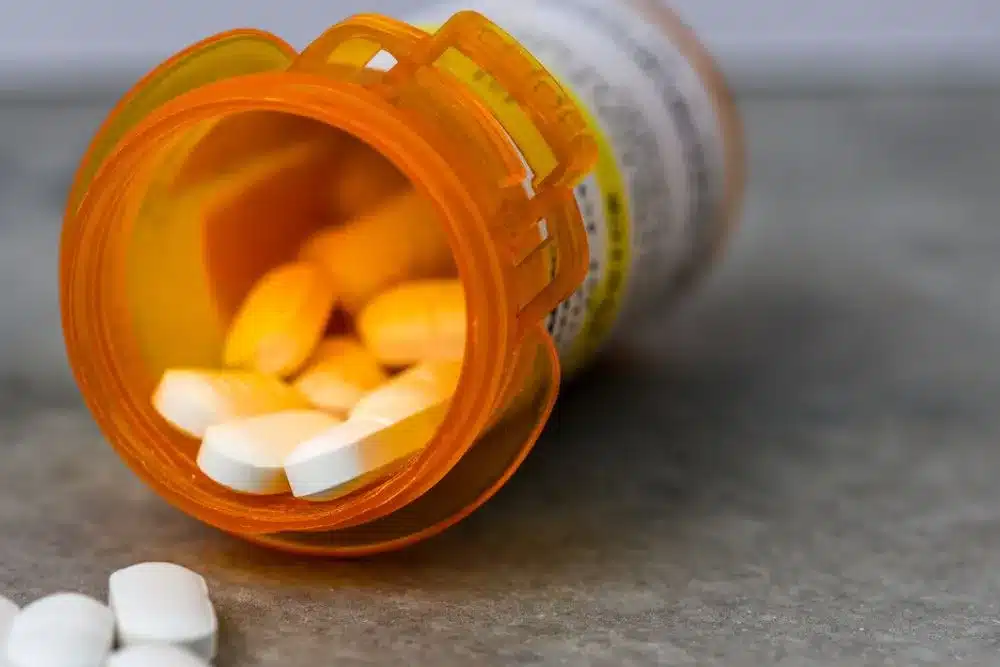

Prescription drug dependence develops through a process that most people never see coming. A medication prescribed for pain, anxiety, or a sleep disorder gradually changes how the brain responds to that substance, and stopping without support becomes medically and psychologically complicated.
Research from the National Institute on Drug Abuse confirms that prescription opioids, benzodiazepines, and stimulants share neurological pathways with illicit drugs, meaning the need for structured clinical care is just as real. Seeking prescription drug rehab Coral Ridge FL residents can reach quickly gives people the best chance at a safe, supported withdrawal and a sustainable path forward.
Whole-person treatment addresses not just the physical dependence on a medication, but the emotional patterns, unresolved trauma, and mental health conditions that often fuel continued use. Clinical evidence consistently shows that programs integrating medical stabilization with behavioral therapies and peer support produce better long-term outcomes than detox alone.
When treatment accounts for the full picture of a person’s life, including relationships, identity, and mental health, the work of recovery has a stable foundation to build on.
What Does Prescription Drug Rehab Involve?
Structured prescription drug rehab Coral Ridge FL treatment typically moves through three clinical phases: medical stabilization, intensive therapy, and step-down support. The first phase focuses on safely managing withdrawal symptoms under clinical supervision, which is especially critical for benzodiazepines and opioids, where unsupervised cessation carries serious health risks.
From there, the focus shifts to understanding the behavioral and emotional roots of continued use. Programs built around evidence-based modalities, such as cognitive behavioral therapy and trauma-focused interventions, give people practical tools that hold up after treatment ends.
The structure of a program matters as much as its content. Partial Hospitalization Programs (PHP) provide daily clinical support while allowing people to return home in the evenings, making them well-suited for those with stable living situations. Intensive Outpatient Programs (IOP) offer a step down in intensity, allowing people to manage work or family responsibilities while continuing structured care.
SAMHSA data indicates that longer engagement in treatment, typically 90 days or more, is associated with better recovery outcomes, underscoring why a continuum of care matters rather than a single standalone episode of treatment.
Which Prescription Medications Lead to Dependence?
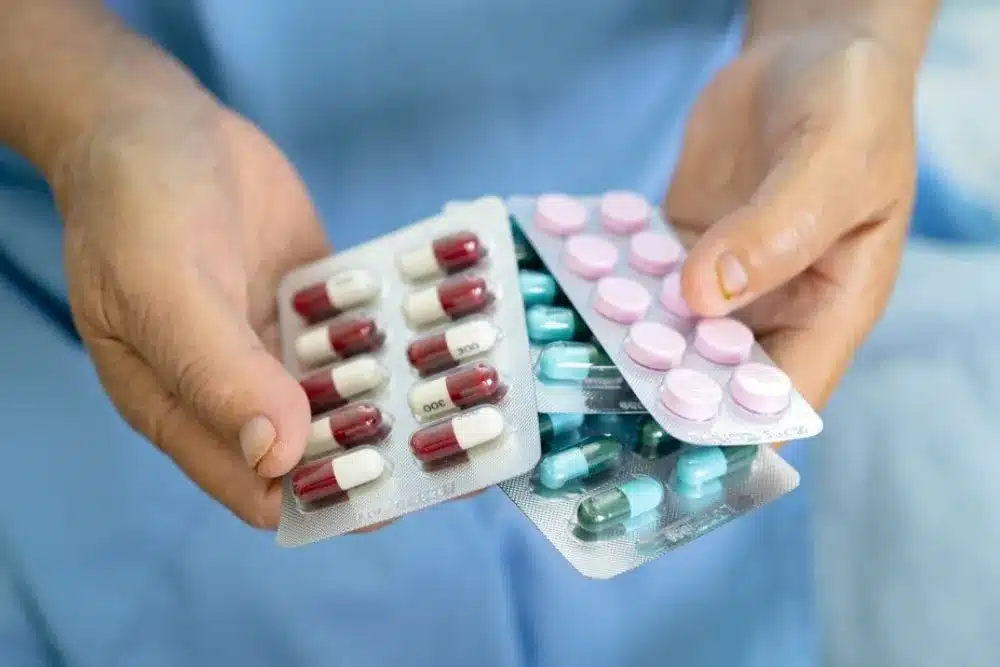
Three broad categories of prescription medications account for the majority of dependence cases seen in clinical settings. Each category affects the brain differently, and each requires a distinct clinical approach to safe discontinuation. Knowing which class a medication falls into helps clinicians design a detox protocol that minimizes risk and discomfort. The following categories represent the most clinically significant contributors to prescription drug dependence:
- Opioids: hydrocodone, oxycodone, fentanyl, and codeine
- Benzodiazepines: alprazolam, diazepam, lorazepam, and clonazepam
- Stimulants: amphetamine salts, methylphenidate, and similar ADHD medications
- Sleep aids: zolpidem and other sedative-hypnotics with dependence potential
- Muscle relaxants: carisoprodol and similar agents with abuse liability
Each of these medication classes alters brain chemistry in ways that make stopping abruptly both uncomfortable and sometimes dangerous. Opioid withdrawal produces intense physical symptoms, while benzodiazepine withdrawal can trigger seizures without medical supervision. Stimulant cessation tends to produce severe fatigue and depression rather than acute physical danger, but the psychological intensity still warrants clinical support.
A thorough intake assessment identifies which substances are involved, how long they have been used, and whether polysubstance use is present, shaping every clinical decision that follows. You can read more about the broader treatment landscape through our resource on prescription drug addiction treatment in nearby communities.
How Does Care Work for Coral Ridge, FL Residents?
Coral Ridge is a waterfront neighborhood in Fort Lauderdale, and its residents have direct access to a range of treatment options within a short drive. Fort Lauderdale’s clinical infrastructure includes licensed detox facilities, PHPs, IOPs, and outpatient programs that accept most major insurance plans, including Florida Blue. For many people, the challenge is not proximity but knowing which level of care fits their current clinical picture, which is why a thorough intake evaluation is the right first step rather than self-selecting a program based on convenience alone.
Residents navigating prescription drug dependence benefit most from programs that coordinate care across the full continuum rather than offering a single isolated service. A well-integrated program coordinates medical oversight during withdrawal, connects clients to licensed therapists trained in trauma and dual diagnosis, and builds a discharge plan before treatment concludes.
Boutique programs that maintain small group sizes typically allow for more individualized attention, which research links to stronger therapeutic alliance and better treatment retention. Accessing comprehensive behavioral health services in Fort Lauderdale means care does not have to feel institutional or impersonal.
Why Does Treating the Whole Person Matter?
Prescription drug dependence rarely develops in isolation. Research consistently identifies a strong relationship between unresolved trauma and substance use disorders, with studies showing that people who have experienced adverse childhood events are significantly more likely to develop a substance use disorder in adulthood.
Treating physical dependence without addressing trauma, grief, or anxiety is like stabilizing a structure without fixing its foundation. Long-term recovery is more durable when therapy targets the underlying conditions that made continued substance use feel necessary in the first place.
Whole-person care incorporates modalities that go beyond talk therapy. Eye Movement Desensitization and Reprocessing (EMDR) and Reconsolidation of Traumatic Memories (RRT) are evidence-supported trauma therapies increasingly used in addiction treatment settings because they address the nervous system’s conditioned responses to stress and triggers.
Group therapy builds relational skills and reduces isolation, which is clinically significant because social disconnection is both a risk factor for and a consequence of prolonged substance use. Nutritional support, sleep hygiene, and physical activity are also incorporated in quality programs because physical restoration directly supports neurological recovery.
Family involvement strengthens outcomes in ways that individual therapy alone cannot replicate. Prescription drug dependence affects communication patterns, trust, and family roles, and without direct intervention, those dynamics can undermine recovery even when the individual is fully committed.
Structured family therapy or family education sessions help the people closest to someone in recovery understand the clinical realities of dependence, reduce enabling behaviors, and rebuild healthy relational patterns. This kind of integrated, relationship-centered approach is what distinguishes meaningful treatment from a brief medical intervention.
What Happens After Treatment Ends?
Discharge from an acute program is not the end of clinical care; it is a transition point that requires its own planning. Studies on relapse rates consistently show that the period immediately following structured treatment carries elevated risk, particularly in the first 90 days after leaving a residential or PHP level of care.
A strong aftercare plan addresses this window directly, mapping out outpatient therapy appointments, peer support group schedules, medication management follow-ups, and sober living arrangements if needed. The goal is to eliminate gaps in support before they become vulnerabilities.
Alumni programming and ongoing peer connection extend the relational benefits of treatment into daily life. Continuing care may include weekly outpatient sessions, participation in community recovery groups, or check-ins with a recovery coach.
For people returning to Coral Ridge from residential treatment, re-integration planning accounts for specific environmental triggers, social relationships, and professional obligations that could affect early recovery. A well-designed step-down plan treats post-treatment life not as a return to normal but as an active, supported phase of recovery in its own right.
Frequently Asked Questions About Prescription Drug Rehab in Coral Ridge, FL
Here are some common questions people ask when researching prescription drug treatment options in this area:
-
How long does rehab for prescription drugs usually last?
Program length depends on the substance involved, severity of dependence, and whether co-occurring conditions are present, but most structured programs run 30, 60, or 90 days. SAMHSA research indicates that staying in treatment for at least 90 days significantly improves long-term recovery outcomes.
-
How much does prescription drug treatment cost in Florida?
Costs vary widely based on program type, amenities, and duration, with outpatient programs typically ranging from several hundred to a few thousand dollars and residential programs running considerably higher. Most major insurance plans are required by federal law to cover substance use disorder treatment as an essential health benefit, which can substantially reduce out-of-pocket expenses.
-
Does Florida Blue cover treatment for prescription drug dependence?
Florida Blue, like most major health insurance carriers, is required under the Mental Health Parity and Addiction Equity Act to cover substance use disorder treatment at parity with other medical conditions. Coverage specifics depend on your plan tier, so contacting the member services number on your insurance card is the most reliable way to confirm your benefits before starting a program.
-
What prescription medications are used to support recovery from opioid dependence?
Buprenorphine and methadone are FDA-approved medications for opioid use disorder that reduce cravings and withdrawal symptoms while supporting engagement in therapy. Naltrexone is another approved option that blocks opioid receptors and can be used once a person has completed detox and is no longer physically dependent.
-
Is it possible to get low-cost or free rehab for prescription drugs in Florida?
Florida has state-funded treatment programs that provide services to residents who qualify based on income and insurance status, with the Florida Department of Children and Families administering access to these resources. SAMHSA’s national helpline and FindTreatment.gov are two reliable starting points for identifying low-cost options near Coral Ridge.
-
How successful is treatment for prescription drug dependence?
Treatment effectiveness depends on individual factors including the type of substance, duration of use, presence of co-occurring mental health conditions, and engagement in aftercare, so no single success rate applies universally. Research consistently shows that people who complete a full course of treatment and participate in continuing care have meaningfully better long-term outcomes than those who leave early or receive no structured support.
Key Takeaways on Prescription Drug Rehab Coral Ridge FL
- Prescription drug dependence involves measurable neurological changes that require clinical support to address safely.
- Opioids, benzodiazepines, and stimulants each require distinct detox and treatment protocols tailored to their specific risks.
- Coral Ridge residents have access to a full continuum of care, including PHP, IOP, and outpatient services, within a short distance.
- Whole-person treatment that addresses trauma, mental health, and relationships produces more durable recovery outcomes than detox alone.
- A strong aftercare plan beginning before discharge is one of the most clinically significant factors in long-term success.
Prescription drug dependence is a medical condition with established, evidence-based treatments that work. The most important variable is not willpower but access to the right level of care at the right time. Connecting with a licensed clinical team for prescription drug rehab Coral Ridge FL, that takes both the physical and emotional dimensions of dependence seriously is the most direct path forward.
If you or someone you care about is looking for structured, compassionate support, Grace Point Treatment Center offers trauma-informed, whole-person care with individualized treatment planning across a full continuum of services. The team is available to answer your questions, verify insurance, and help you take the next concrete step. Call (844) 777-7960 to speak with someone who understands what you are facing and can help you determine the best path forward.
External Sources
- NIH – Summary of Misuse of Prescription Drugs
- MedlinePlus – Prescription Drug Misuse
- Find Treatment – Home Page
